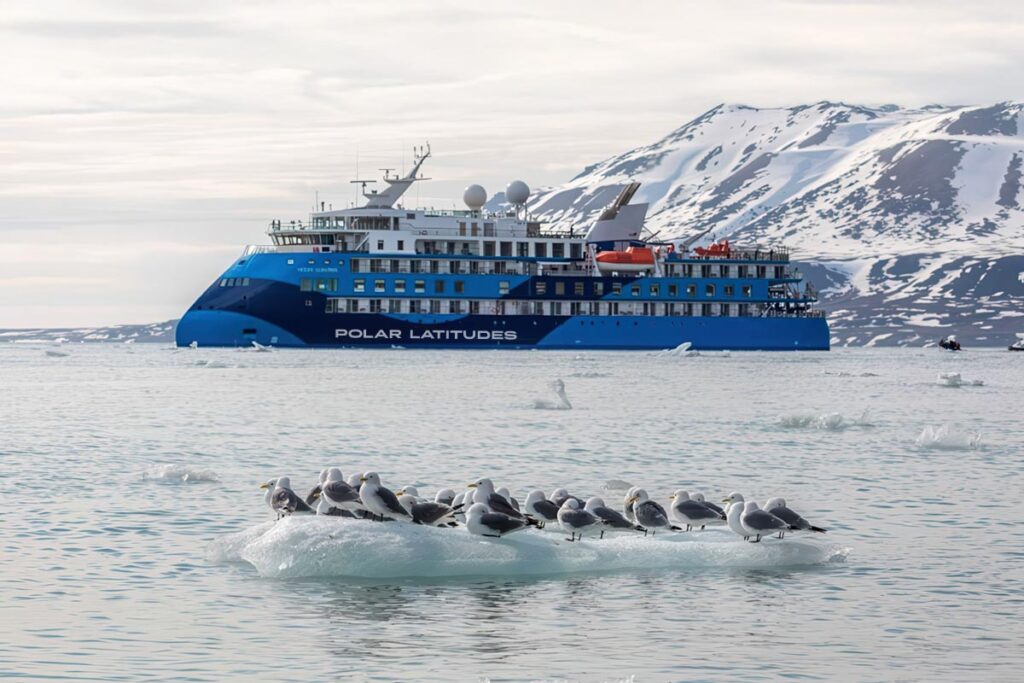
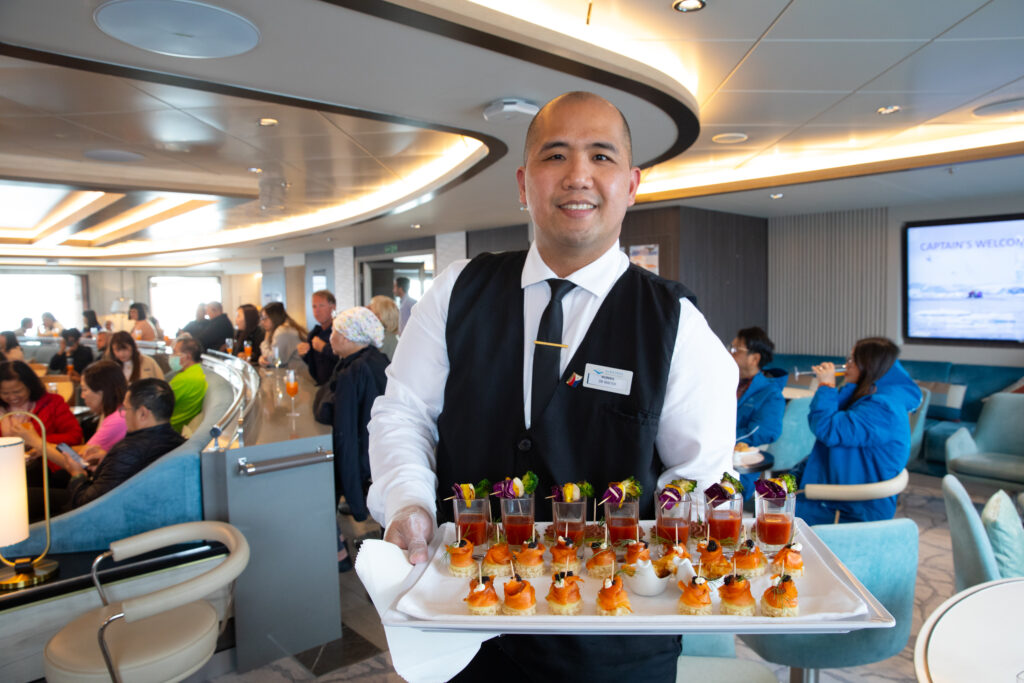
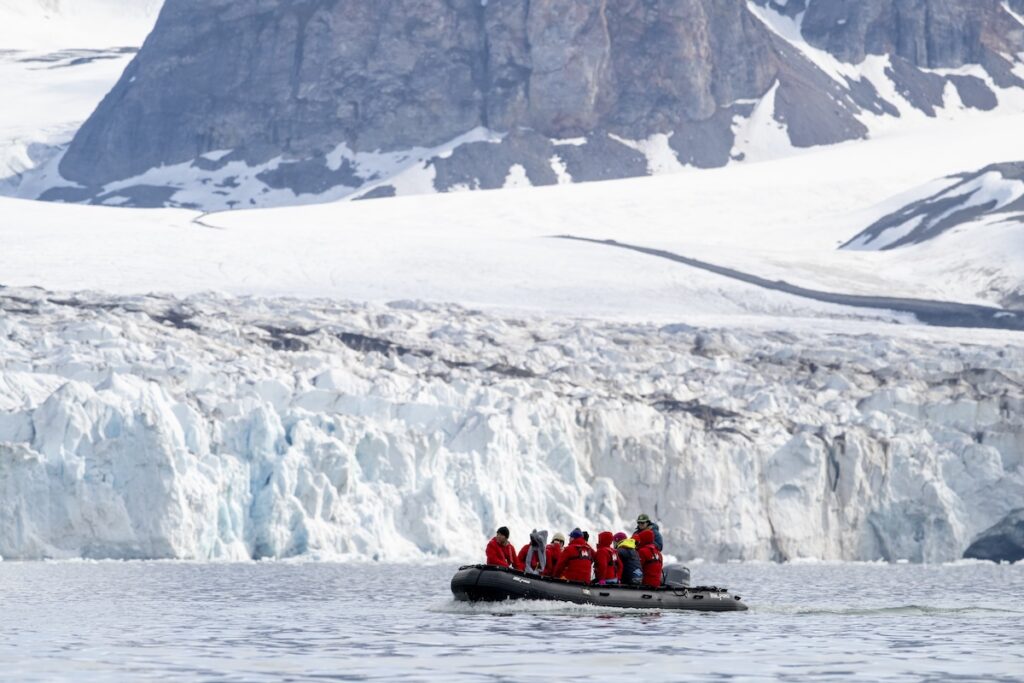
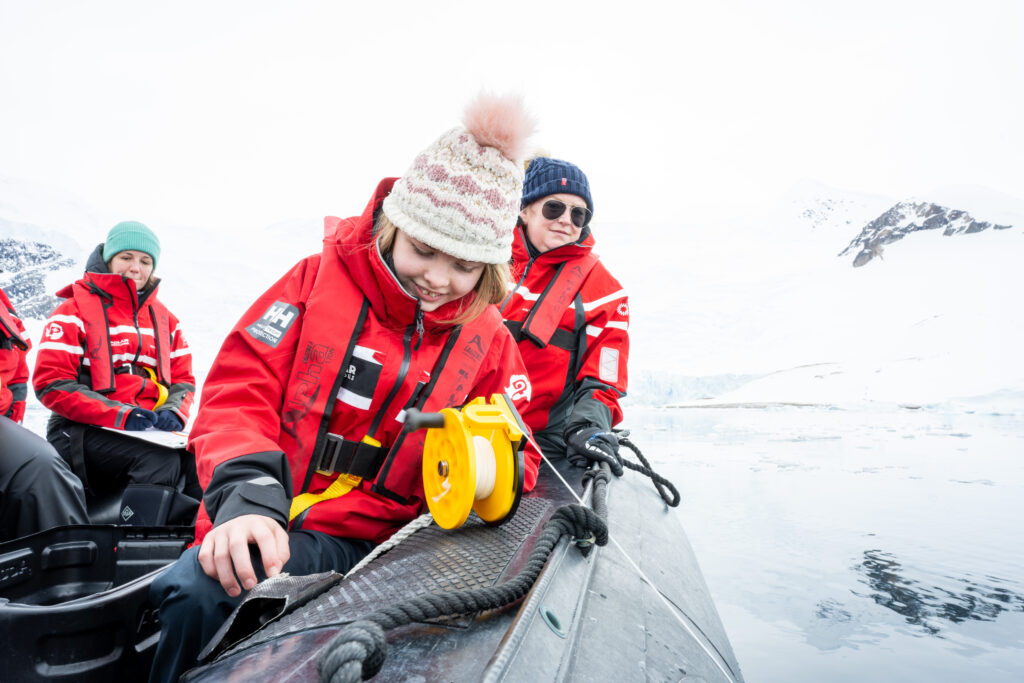
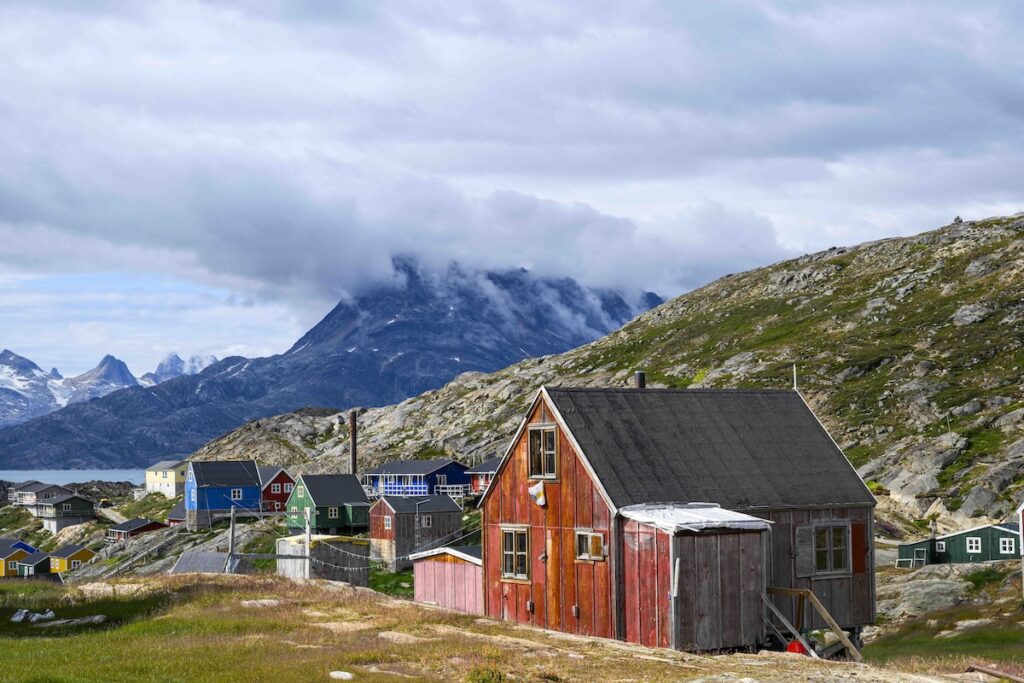
Then up in the Arctic we do a lot of community engagement. So that kind of focuses on our responsible travel, it’s really about supporting local communities, we directly interact with villages. We don’t go through DMC’s [Destination Management Companies] like a third party. We have a direct connection through our Product Manager who lived in Greenland for a couple of years. He just goes to Greenland, goes to the villages, and says, “Right, we’re bringing our ship in. What can we do? What can you offer?” They host us in their houses for tea and we bring kids and schools on board the ship to do some learning for them.
It’s also fun because we’ve got hot tubs on the ship so they love turning up with their swimming costumes and coming on board. A part of that is also showcasing it to our guests, so you know this is how the Inuit culture is. This is how they have afternoon tea. You know it’s not all teacups and scones. It’s slightly different.
So, those are some of the things that we’re doing to be more responsible and give back and educate.
Emma: You’ve actually covered my next question because Sandra [Widgety’s Sales Director] was telling me that when she was on one of your ships, she went out and met the local people and then noticed that you invited them all on the ship for afternoon tea, and she was saying that you didn’t shout about it and my next question was going to be how do you connect with the remote communities? I thought it was so interesting when she was telling me. So, I’m glad you’ve covered it.
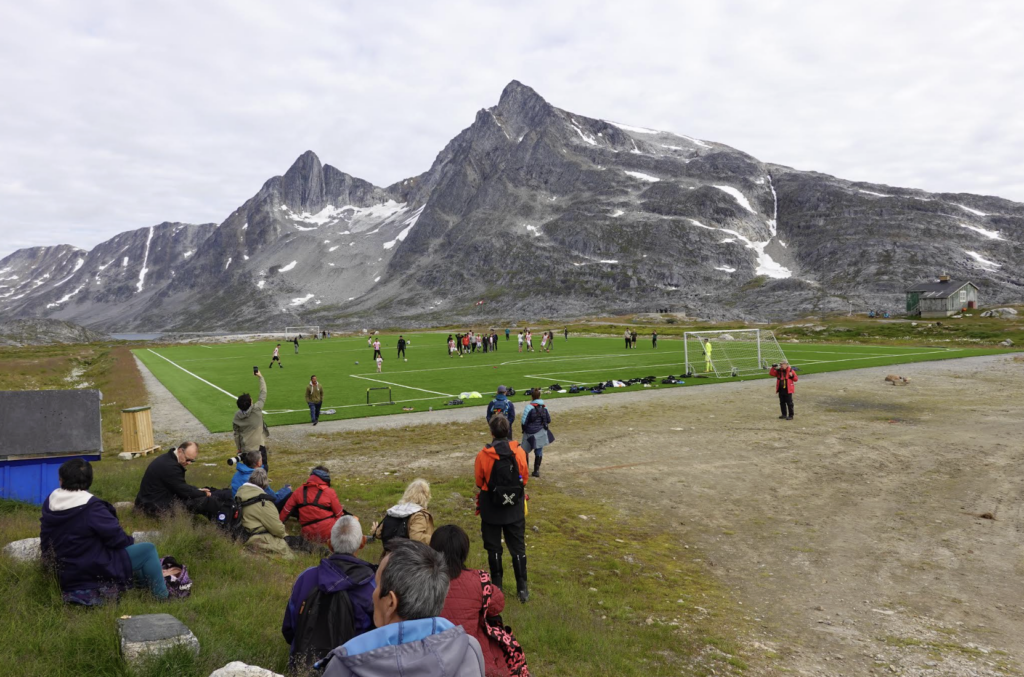
Craig: And it’s really interesting for us as well. We took part in a football match with some of our guests and crew versus the local community. And our captain was in goal, and the local community loved it so much that they want to replicate it when the ships come in, depending on who’s on board obviously, and be able to play.
It’s one of those things that you know you can tell everybody everything but then they get there and it’s like you know they’ve got it in their head. It’s like, oh, I know everything we’re going to do. So, what can we do to stand out a little bit and as I say, surprise and delight guests as well. So, we try not to give everything away that we do and publicize it too much so that they can come back and go, “that was amazing”, tell their friends and then they come as well.
Emma: Are there any other key aspects or unique selling points that agents should focus on when trying to explain the differences between yourselves and other expedition cruise lines?
Craig: We’re a family-owned expedition cruise line by heart. And I say that as an expedition cruise line, as we just talked about, it’s the difference that we bring from our responsible travel point of view, community engagement point of view, the surprise and delight point of view.
Our price point is keen when we look at our competitive set, where we sit, that kind of small ship expedition, so under 200 passengers, higher staff to guest ratio, and all the enhancements we’re bringing on board to make our product better. We haven’t even gone through the first season of combined operations of the new brand because we’re still operating this Antarctic season, we’ve got another seven weeks left as two separate brands. But come April or May when we bring the ships together up in the Arctic, it will be our first proper combined operational season. And that’s really exciting.
We’ve got some really progressive owners who want us to be the best, and I think we’re heading towards that. They’re willing to invest in making sure we are the best.
So if our agent friends want the best for their customers, we’ve got the one of the highest NPS scores [Net Promoter Scores] in the industry, which means their customers are going to come on board, they’re going to have an amazing time, they’re going to come back, they’re going to shout about it like Sandra does, tell their friends, get repeat business, and hopefully come on another voyage with Polar Latitudes Expeditions.
Emma: Sandra does shout about it, and how good it was.
Craig: She’s our best advocate at the moment ever.
Emma: Out of all the destinations that you offer, which one is your favorite and why?
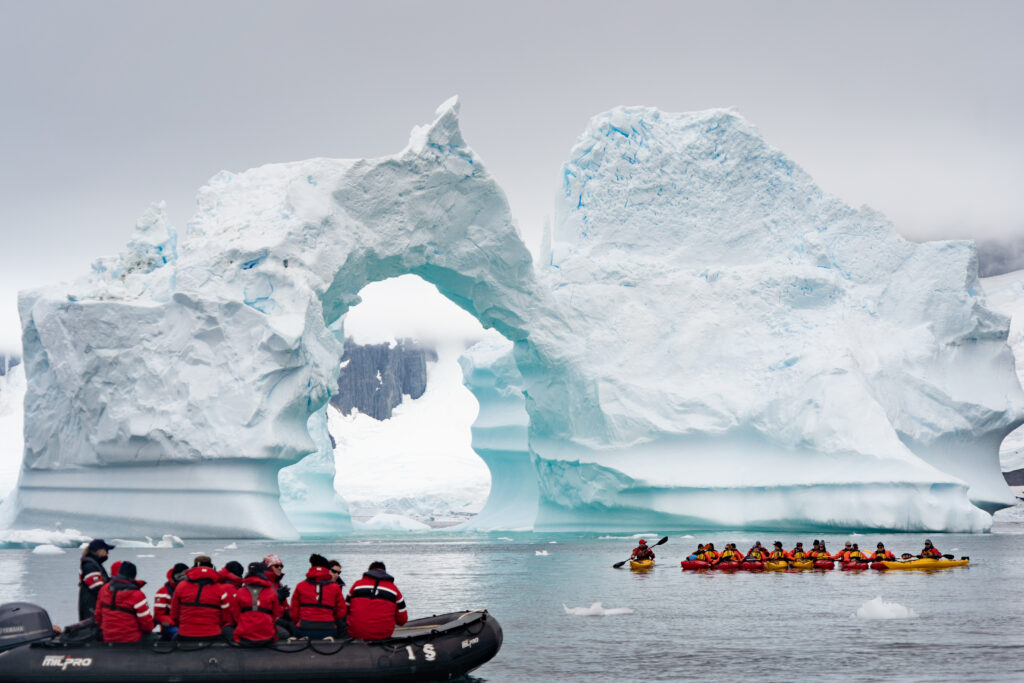
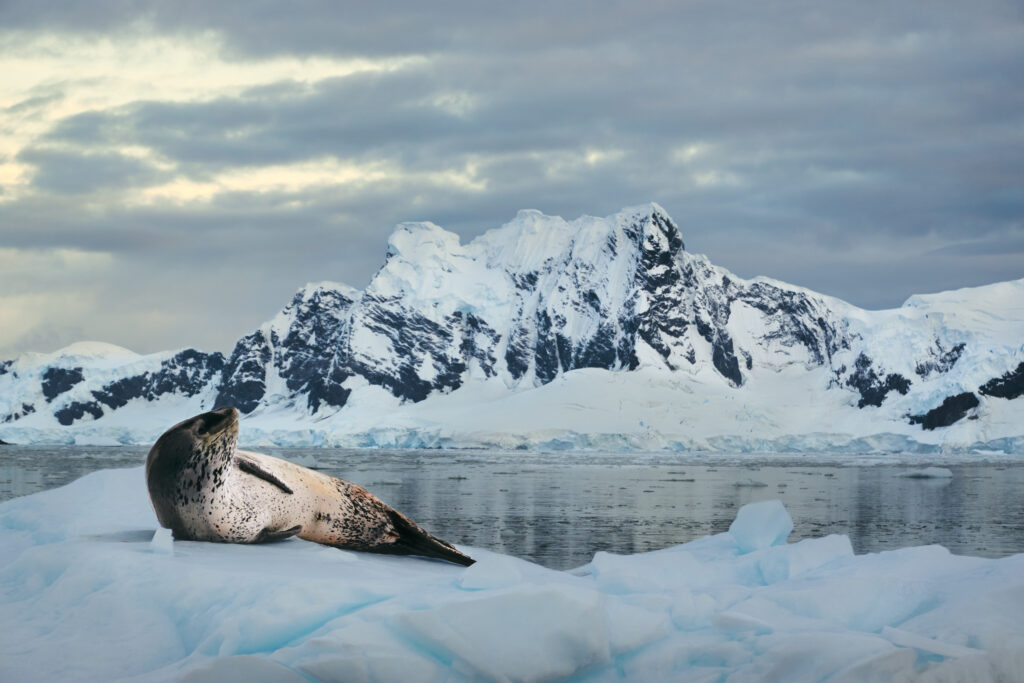
Craig: Mine personally is Antarctica. Early season Antarctica for me is the most breathtaking place I’ve ever been to. The most remote place, it feels like you’re in a different world. It’s full of snow, full of ice. You’re only ever there with the guests on the ship, and you just feel like you’re on a different planet with the serene pristineness of snow and ice, which we, you know, we don’t get to see very often. You know, you can see it when you go skiing, but there’s hundreds of other people around you making noise and it’s commercialized.
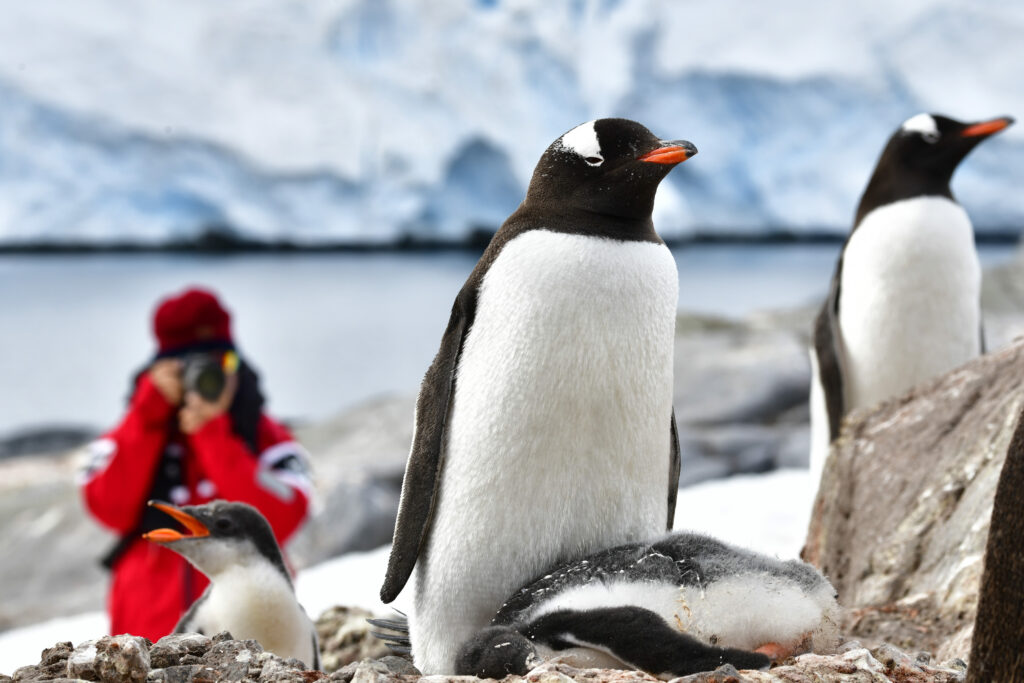
Whereas in Antarctica, on the peninsula in snow and ice, there’s a few penguins around but it’s not massively overrun by penguins either, and yeah, it’s just beautiful. I can’t even describe it. So for me it’s early season Antarctica all day long.
Emma: What time of year would the early season be?
Craig: November. This season we start on 31st of October as our first voyage. The first few voyages, just as it’s coming to life, because nobody’s been where we’re going for the last 6 months, the winter’s been, it’s all changed, and it’s just it’s like somebody’s just drawn it, you know, as a picture and it’s like, “Right come and see.” And then before you know it, the many ships come down, the remoteness is incredible.
Emma: I would love to go, but what puts me off is the Drake Passage.
Craig: Well, you know, you’ve got to go through it, it’s the rite of passage to get across the Drake. I think I’d say eight times out of ten it’s all right.
It’s one of the most popular questions we get from consumers. We’re doing the Destinations show this weekend in London, and I’m interested because I haven’t done it for a little while, to see what the questions are. Usually, the Drake Passage is one of the top ones: “How are we going to cope?”
And it’s take medication, don’t go and lie in your cabin, the worst thing you can possibly do. Just be prepared and enjoy it as best you can. Get some fresh air and as I say, you know, eight or nine times out of ten, but, there’s always movement, right? You’re on a ship, you’re on an ocean, but generally we try to avoid the really rough seas and storms. So, it’s never really that bad. But if you go and google Drake Passage, then you see the worst of the worst videos.
Emma: Just one final question, which I do feel like you’ve already covered a little bit, but I’ll ask it anyway. What is one thing that people get wrong about Polar Latitudes Expeditions or one thing that they don’t realize until they step on board?
Craig: Oh lots of things. I think there’s a perception that it’s old people. I think people’s expectations are that even though it’s expedition, there’s still a lot of old people whereas we’re seeing a much younger demographic now and a lot more solo travelers. The percentage of solo travelers has gone up drastically over the last two or three years.
I think the other big perception is there’s nothing to do. I think people get in their head for a cruise and it’s like entertainment, there’s always something to do; and it’s like what am I going to do when I get on ship.
But when you get on the ship you don’t have time to do anything because there’s so much going on and it’s not entertainment, it’s like we’re going to do safety briefings. You’re going to have your lectures. You’ve got three meals a day to get through, you’ve got socializing. You know, there are hot tubs on deck, there’s a sauna on one of the ships, there’s a library, there’s a gym, we’ve got a small spa area. And once you mix all that in, then obviously when you’re landing, you’re off the ship six hours a day.
By the time you’ve done breakfast, you’ve got off the ship for three hours, you come back, have lunch, maybe go and have a little rest, you’ve got afternoon lectures or an afternoon off the ship again. You’re three hours off the ship. You’re coming back for a six o’clock pre-dinner drink, maybe a little recap lecture, and then it’s dinner. And then it’s nine o’clock and you’re like, “Oh my god, I need to go to bed. I’m too tired”
Emma: Sounds exhausting.
Craig: And you know it is exhausting and they’re long days and you’ve got to remember you’re in fresh air and it’s really tiring, I think people forget that until they actually get there.